
Each Lake Michigan School Food System Innovation Hub grantee is a part of a close network of peers and local food system champions that includes State Leads, Innovation Hub staff, and national partners. These relationships, which often begin when a prospective grantee reaches out with an application-related question, evolve throughout the grant cycle—and beyond.
Here are a few examples of how the Innovation Hub’s personalized support and accessible resources help grantees reach and exceed their goals.
National and State Partners Offer One-to-One Guidance
For some smaller organizations working within the local school food system, finding the time and resources to apply for funding can be a challenge.
“In past grant projects, the paperwork and compliance requirements could feel overwhelming, but the invaluable oversight and guidance from State Leads made [Farm2School] the smoothest project I’ve ever managed,” said Trish Bellmore, executive director of the Greater Wabash Food Council (GWFC), lead grantee for the 2024 Spark Award project “Planting Farm2School in Southeastern Illinois.”
Early in their project, GWFC attended a session offered by Action for Healthy Kids, Lake Michigan School Food System Innovation Hub national partner, which focused on different ways to increase family engagement in local school food system transformation.
They also met several times with Diane Chapeta, Illinois Farm to School Senior Program Manager for Seven Generations Ahead, the Innovation Hub’s Illinois State Lead. Among the topics discussed were food procurement, food safety requirements, and school product development rules.
“We were grateful for the help and support we received, which made it possible to establish this model and move forward with preserving products for the 2026 harvest season,” Bellmore said, adding that Farm2School has been the “most fun project I’ve ever been part of; it felt very inclusive.”
Networking Calls Spark Conversation
An Innovation Hub networking call held in April 2025 gave several grantees an opportunity to present lessons they’d learned to the entire group and, in breakout sessions, to talk in more depth and share suggestions. Of all the points of connection throughout the year, this experience was one that the Artisan Grain Collaborative (AGC) called their “most valuable.”
The lead grantee on Illinois’s “Grains to Trays” Innovation Collaborative project, AGC is developing pathways between schools and local farmers and food producers to incorporate local and regionally grown whole grains within school meal programs.
During the networking call, they heard from a fellow grantee, Beyond Green Partners, who shared their experience training school food system staff in three Central Illinois public schools to create more scratch-cooked meals using local ingredients.
AGC Operations Manager Jenileigh Harris said that after the networking call, the organization reached out to Beyond Green, “to explore collaboration opportunities, specifically as it relates to developing grain-specific training for K–12 schools.”
This collaborative spirit is also felt among “Grains to Trays” partners, Harris said.
“We have heard a number of times throughout the course of this project that it has allowed for participating small food businesses, distributors, and schools to troubleshoot together and take substantial steps forward on shared goals that they otherwise did not have the adequate time, space, and resources to tend to.”
Office Hours Make Space for Tactical, Time-Saving Advice
Action for Healthy Kids also offers grantees regular office hours, where they can ask questions and find resources and advice.
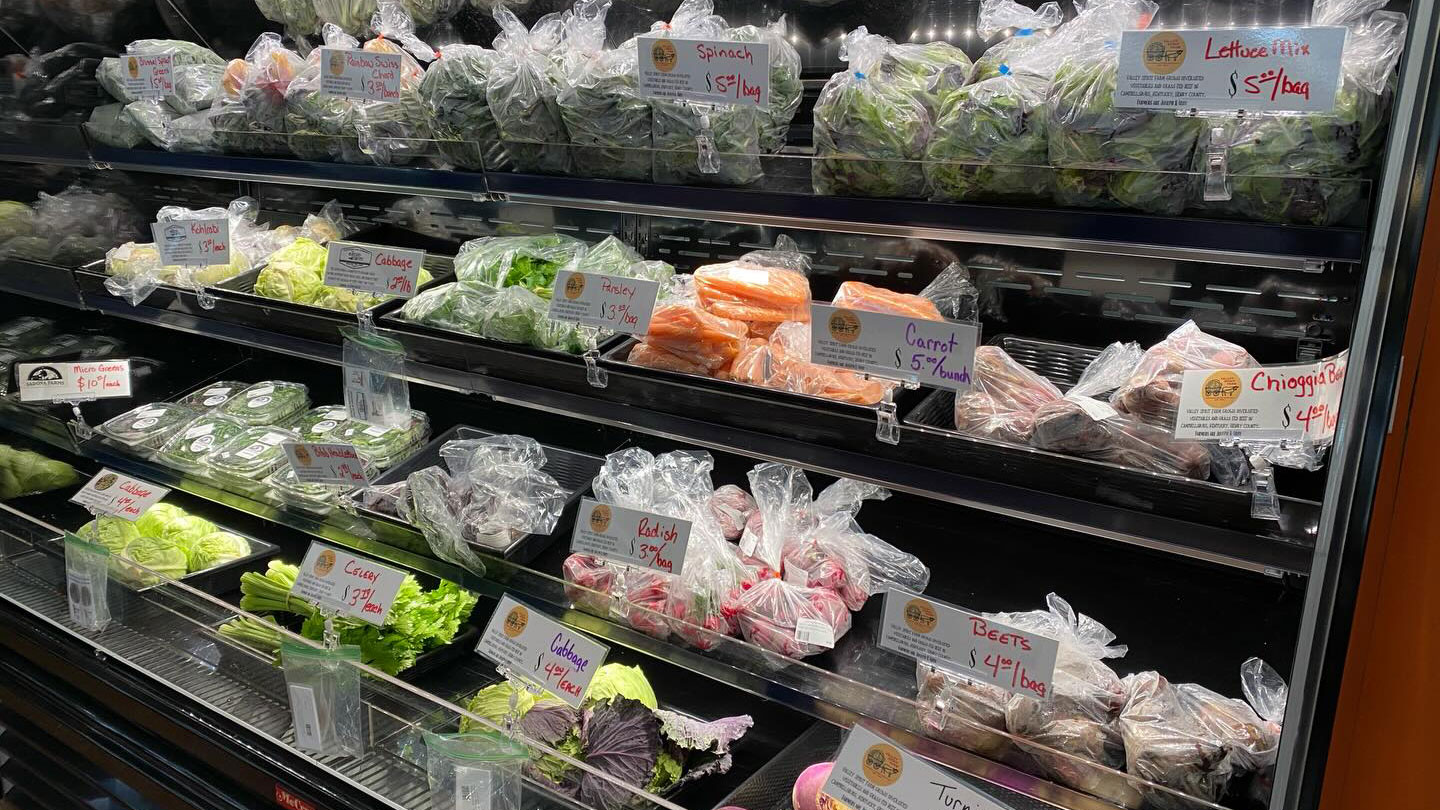
Partners in Indiana’s Growing Minds project appreciated this support—particularly the help reviewing documents and troubleshooting during State Lead one-on-one calls and technical assistance sessions with Innovation Hub partner, Action for Healthy Kids.
“Throughout this process, we have felt encouraged to be in communication instead of trying to go it alone,” said John Schutte, coordinator of the Growing Minds Farm Stop program. “[It’s] felt like a supportive, mutual learning environment and a collaboration of people with similar goals, and that has made our project much stronger.”
Support with evaluation has been particularly helpful, Schutte shared. “We learned that we can use either the farm stop point of sale system or the school system’s own buying records to keep data on the amount and type of product being purchased by the schools in the future,” he continued. “Now that we have seen the reporting matrix, we should be able to tailor our records to this format.”
Schutte said he appreciated the Innovation Hub’s efforts to save applicants and grantees time and stress: “This supportive approach allowed us to spend more time thinking about how we want to implement our programs and less time scrambling for information.”